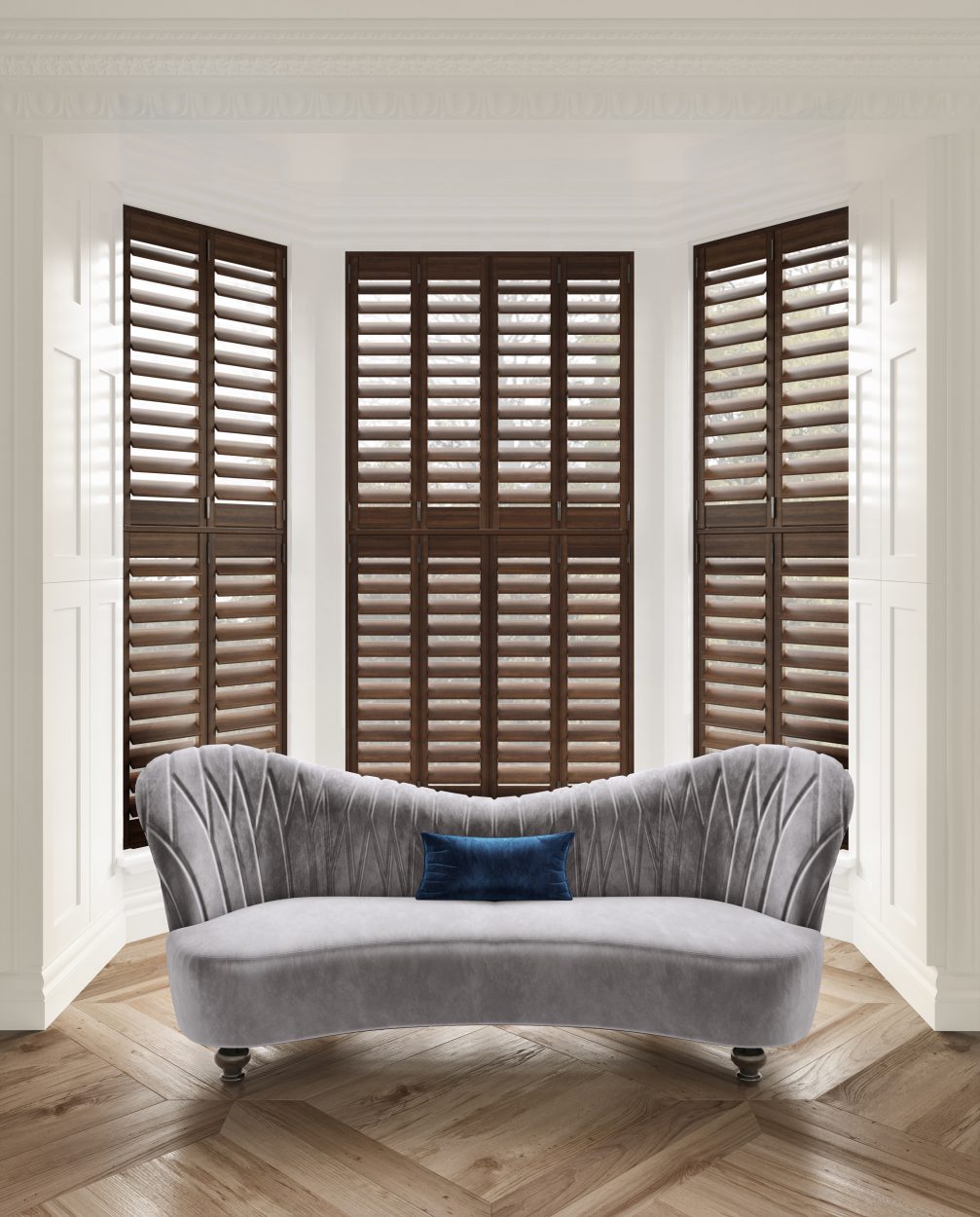
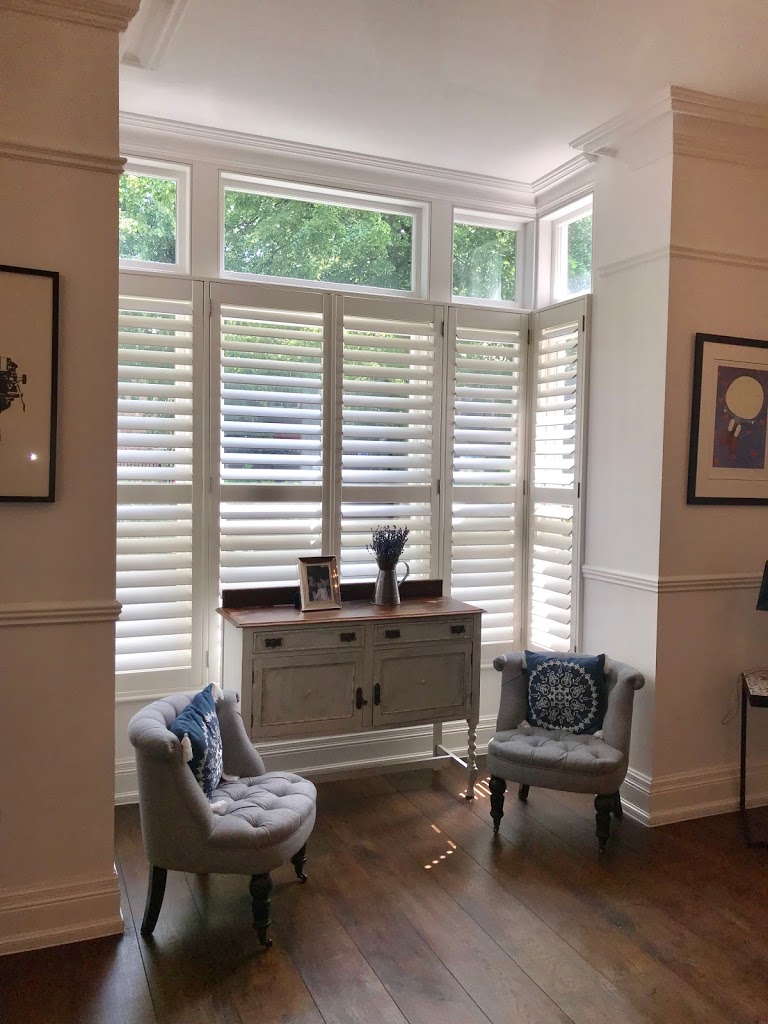
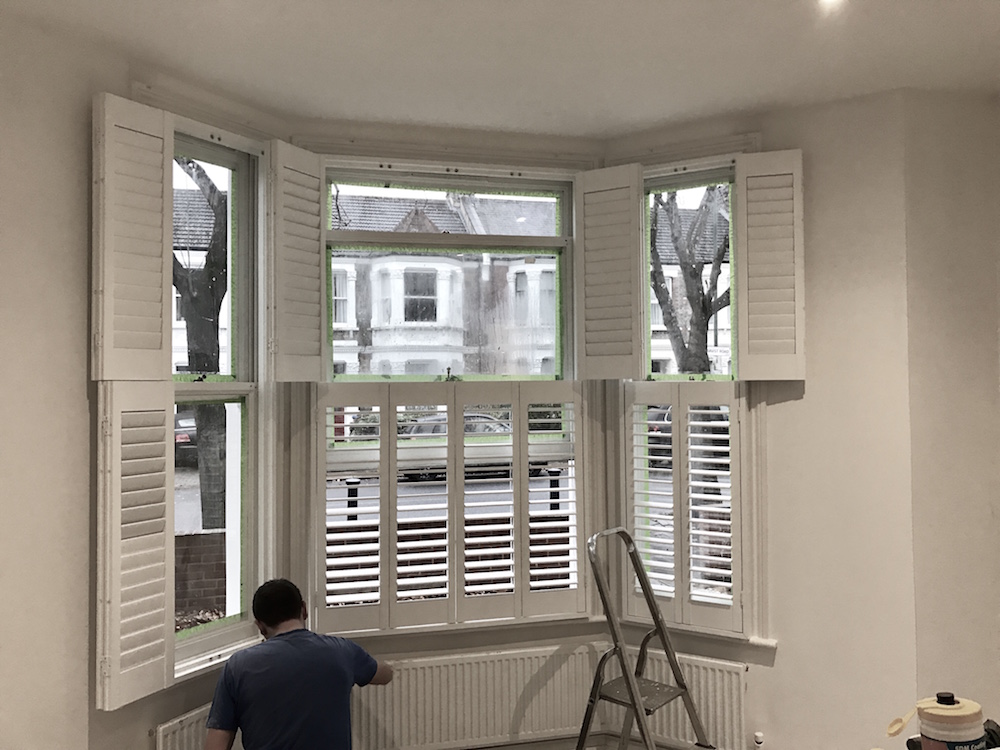
Choosing shutters for your home often begins with colour and style, but the material behind the finish matters just as much. Two of the most commonly discussed options are wooden window shutters and MDF shutters. At first glance, they can look similar, particularly when both are painted white. However, their weight, construction, long-term performance and suitability for different windows can vary considerably.
For homeowners comparing plantation shutters for a living room, bedroom, bay window or period property, the key question is simple:
Should you choose real wood or MDF?
Quick Answer:
are wooden or MDF shutters better?
Wooden shutters are generally the stronger choice for homeowners who want a lighter, more refined and versatile made-to-measure product. MDF can provide a lower-cost solution for some standard windows, but it is heavier and may offer fewer design options.
Totally Shutters uses Paulownia wood for its plantation shutters rather than MDF. Paulownia is selected for its light weight, stability and smooth painted finish, making it well suited to custom shutter panels, larger openings and high-quality interior installations.
The best choice ultimately depends on your window size, budget, preferred finish and how long you expect the shutters to remain in your home.
What are wooden plantation shutters?
Wooden plantation shutters are internal window coverings made from natural timber. They consist of frames, hinged panels and adjustable horizontal slats known as louvres.
The louvres can be tilted to control natural light and privacy, while the panels can usually be opened when an unobstructed window is required.
Wooden shutters may be configured as:
Full-height shutters covering the entire window
Tier-on-tier shutters with independently opening upper and lower panels
Café-style shutters covering only the bottom section
Solid-panel shutters
Tracked or folding shutters for wide openings
Bespoke shutters for bay, curved or unusually shaped windows
At Totally Shutters, the principal timber used is Paulownia wood.
What are wooden plantation shutters?
Paulownia is a lightweight timber used for furniture, joinery and interior shutter manufacturing. Its relatively low weight makes it particularly useful where multiple shutter panels need to open and close smoothly without placing unnecessary strain on hinges or frames.
For plantation shutters, Paulownia offers several practical benefits:
It is lighter than many traditional hardwoods.
It can be manufactured into stable shutter components.
It accepts painted finishes well.
It is suitable for made-to-measure panel designs.
Its low weight can be advantageous on wide windows and bay configurations.
A professional survey remains important because the correct panel count, frame style and hinge arrangement must still be selected for the window.
What are MDF shutters?
MDF stands for medium-density fibreboard. It is an engineered material produced by combining wood fibres with resin and compressing them into dense boards.
In shutter manufacturing, MDF components are usually coated or painted to create a smooth surface. From a distance, a well-finished MDF shutter can resemble a painted wooden shutter.
MDF is commonly used because it can offer:
A smooth, consistent painted finish
Competitive pricing
Good performance on straightforward window shapes
A practical option for customers prioritising initial cost
However, MDF is significantly heavier than lightweight timber and is not always the most suitable material for large panels, unusual shapes or more complex made-to-measure designs.
Wooden vs MDF shutters: the main differences
Are wooden shutters more durable than MDF shutters?
Quality wooden shutters can provide excellent long-term performance when they are correctly manufactured, professionally fitted and used in an appropriate room.
Natural timber is often preferred for premium shutter installations because it combines strength with lower weight. Lighter panels can place less strain on hinges and frames during regular use.
MDF can also perform reliably on suitable standard windows. However, its greater weight means that careful panel design is important. Very wide MDF panels may be impractical, and manufacturers may divide a large opening into more sections to manage the load.
Durability is influenced by more than the core material. Homeowners should also consider:
The quality of the hinges and fixings
The construction of the shutter frame
Panel width and height
The standard of installation
Exposure to moisture
How frequently the panels are opened
Cleaning and general care
Which material gives the better finish?
Both materials can provide a neat painted appearance, but real wood usually offers a more refined result for homeowners seeking a premium interior feature.
Paulownia shutters can be finished in popular shades such as white, off-white and soft neutral colours. The timber construction also allows the shutters to retain the feel of a fitted joinery product rather than a mass-produced window covering.
MDF has a very uniform surface, which can suit simple painted shutters. However, customers looking for custom colours, larger panels or more detailed bespoke designs may find that real wood offers greater flexibility.
During a professional home survey, Totally Shutters can help homeowners compare colours, louvre sizes, panel layouts and frame options in the context of the room.
Are wooden shutters better for large windows and bay windows?
Wooden shutters are often the more practical choice for large windows, bay windows and complex openings because lightweight timber allows greater flexibility in panel design.
Bay windows require more than simply measuring the width and height of the glass. A shutter specialist will normally assess:
The number and angle of each bay section
Window handles and projecting fittings
Sill depth
Frame position
Panel opening space
The location of mullions
Suitable panel widths
Whether panels should fold or open individually
Because Paulownia is lightweight, it can be well suited to multi-panel bay installations where smooth operation matters.
MDF may still be used by other suppliers on certain bays, but its weight can result in additional panel divisions. This can affect the sightlines and the amount of frame visible across the window.
Homeowners comparing wooden shutters for bay windows should therefore look beyond the headline price and consider how the finished panel layout will appear.
Which shutters are best for Victorian and Edwardian homes?
Wooden plantation shutters are particularly well suited to many Victorian and Edwardian properties.
These homes often feature:
Tall sash windows
Angled or square bay windows
Generous ceiling heights
Decorative architraves
Street-facing reception rooms
A lightweight wooden shutter can complement these proportions without introducing the visual bulk of heavy curtains.
For a street-facing bay, café-style shutters may provide privacy across the lower section while leaving the upper glass open. Full-height or tier-on-tier shutters provide more complete coverage and greater flexibility at night.
The correct choice depends on overlooking, room use and the original window proportions.
Are MDF shutters suitable for every room?
No.
MDF shutters are best treated as a material for appropriate, relatively dry interior spaces and straightforward installations.
It is important not to assume that either MDF or natural wood is automatically suitable for a high-moisture room.
What shutters should you use in bathrooms?
Bathrooms require a material specifically designed to cope with humidity, condensation and occasional splashes.
Even though Totally Shutters uses Paulownia wood for most interior rooms, a moisture-resistant shutter material is normally more appropriate for bathrooms and other high-humidity spaces.
The exact recommendation should take account of:
Distance from the bath or shower
Ventilation
Frequency of condensation
Whether the window is regularly opened
The level of direct water exposure.
Homeowners should discuss bathroom conditions during the survey rather than choosing solely by appearance.
Which Looks Better?Do wooden shutters offer better light control than MDF?
The material itself does not determine light control. Light management depends more heavily on the shutter configuration, louvre size, frame design and quality of fit.
Both wooden and MDF shutters can use adjustable louvres. However, made-to-measure wooden shutters may offer greater design flexibility across unusual windows and larger openings.
Useful choices include:
Wider louvres
Wider louvres can create a more open view and allow generous daylight when tilted.
Narrower louvres
Narrower louvres create a more traditional appearance and may suit smaller sash windows.
Full-height shutters
These cover the complete opening and provide consistent control across the window.
Tier-on-tier shutters
These divide the shutter into upper and lower sections that can operate independently.
Café-style shutters
These cover the lower part of the window, maintaining street-level privacy while leaving the upper glass clear.
The best arrangement should align the shutter rails and panel divisions with the existing window wherever possible.
Do wooden shutters provide better insulation?
Well-fitted internal shutters can create an additional layer between the room and the glass. However, homeowners should be cautious about broad claims regarding guaranteed energy savings.
Insulating performance depends on:
The existing window
Gaps around the frame
Shutter fit
Panel configuration
Whether the shutters are closed
The age and condition of the property
Wood is naturally less conductive than some materials, but the overall installation matters more than the material alone. Shutters should therefore be viewed as a useful supplementary window covering rather than a replacement for appropriate glazing, draught proofing or other energy-efficiency improvements.
Are wooden shutters easier to maintain?
Both wooden and MDF shutters are relatively easy to maintain compared with fabric curtains.
Routine care normally involves:
Dusting the louvres with a soft cloth or suitable duster.
Wiping marks with a lightly damp cloth.
Drying the surface promptly.
Avoiding abrasive cleaners.
Checking that hinges and panels remain aligned.
Natural wood should not be saturated with water. MDF shutters also require care because damage to their outer coating can expose the engineered core.
Where maintenance is concerned, prevention is more important than intensive cleaning.
Wooden shutters vs MDF shutters: which offers better value?
MDF may cost less initially, but Paulownia wooden shutters can offer stronger long-term value for customers prioritising lighter operation, bespoke design and a premium finish.
Value should not be judged by price alone. Consider:
How long you intend to remain in the property
Whether the window is a standard shape
The size and number of panels
The importance of finish quality
How often the shutters will be operated
Whether you want custom colours
Whether the installation is intended to be a lasting interior feature
For a short-term renovation or a small standard window, MDF may appear attractive on price.
For a prominent bay, large opening or carefully designed interior, made-to-measure wooden shutters may represent the more suitable investment.
How much do wooden and MDF shutters cost?
The final cost of shutters is normally influenced by the complete specification rather than the material alone.
A quotation may take account of:
Overall window dimensions
Number of openings
Material
Shutter style
Panel count
Louvre size
Frame design
Custom colour
Special shapes
Bay angles
Access
Installation requirements
Bay windows, curved bays, French doors and unusually shaped openings often require more detailed measurement and fitting than a simple rectangular window.
Supply-only shutters may appear cheaper than a fully surveyed and installed service, but the comparison is not always like for like.
Professional measurement can reduce the risk of poor alignment, restricted opening or unsuitable panel proportions.
Totally Shutters provides made-to-measure advice based on the actual window rather than relying on a broad online estimate. Homeowners can request a free home survey for an accurate quotation.
Are wooden shutters better than blinds or curtains?
Wooden shutters, blinds and curtains each create a different result.
Wooden shutters are particularly attractive where the homeowner wants the window treatment to feel like part of the architecture.
Blinds may suit smaller budgets or spaces where a discreet covering is preferred. Curtains remain useful where softness, pattern or layered insulation is important.
Some homeowners combine shutters with curtains, using shutters for privacy and light control and curtains for decorative framing.
Should you choose wooden or MDF shutters?
Choose Paulownia wooden shutters if you want:
A lightweight shutter system
A premium fitted appearance
Made-to-measure flexibility
Shutters for a bay or larger window
Custom design options
A long-term interior feature
Consider MDF shutters from an alternative supplier if:
Your window is small and straightforward
Initial price is the dominant concern
You are comfortable with a heavier engineered material
You do not require complex shapes or particularly wide panels
For most customers approaching Totally Shutters, the recommendation is clear: Paulownia wooden shutters provide the combination of weight, finish and bespoke flexibility that suits the company’s made-to-measure approach.
Why professional surveying and installation matter
Even the best material can perform poorly if the shutters are incorrectly measured or fitted.
During a professional survey, a shutter specialist will normally assess:
Window dimensions at several points
Out-of-square openings
Handles, locks and vents
Sill depth
Suitable frame position
Panel count and folding direction
Louvre clearance
Bay angles
Access for fitting
These details influence how the shutters look and operate.
Professional installation is also important for accurate alignment. Panels should open smoothly, sit consistently within the frame and close without unnecessary gaps or strain.
Wooden window shutters for UK homes: the final verdict
For UK homeowners comparing materials, wooden window shutters are generally the better choice where quality, low weight, bespoke design and long-term appearance matter most.
MDF can suit some standard windows and lower initial budgets, but its heavier construction and more limited versatility may be less appropriate for large bays, unusual shapes and premium interior projects.
Totally Shutters uses Paulownia wood because it supports a lightweight, made-to-measure shutter system with a smooth, refined finish. The right design will still depend on your window dimensions, room conditions and preferred shutter style, so an accurate home survey remains an essential part of the process.
Considering wooden plantation shutters for your home?
Totally Shutters can help you compare shutter styles, louvre sizes, panel configurations and suitable materials before preparing a made-to-measure quotation.
Wooden shutters are usually better for homeowners seeking lighter panels, bespoke configurations and a premium finish. MDF may offer a lower initial price for certain standard windows, but it is heavier and may be less flexible for large or unusually shaped openings.
Totally Shutters uses Paulownia wood for its interior plantation shutters. Paulownia is selected for its low weight, stability and suitability for smooth painted finishes.
Yes. Lightweight wooden shutters can be particularly suitable for bay windows because the panels can be designed around the individual sections and angles of the bay. A professional survey is required to plan the frame and panel layout accurately.
Natural wood is not normally the first recommendation for a bathroom with persistent humidity or direct water exposure. A specialist moisture-resistant shutter material is usually more suitable, depending on the room’s ventilation and layout.
MDF shutters are often priced lower than real wood options. However, the total quotation also depends on window size, shutter style, panel count, finish, shape and installation requirements.
A precise lifespan cannot be guaranteed because it depends on product quality, installation, use and maintenance. Well-made wooden shutters are intended to be a durable, long-term fitted window covering.
Made-to-measure shutters are normally better for bay windows, out-of-square openings, large windows and homes where panel alignment is important. Professional surveying and fitting also reduce the risk of incorrect measurements or restricted panel movement.
We use cookies to ensure that we give you the best experience on our website. If you continue to use this site we will assume that you are happy with it.